Refurbished Dell PowerEdge R740 | Configure to Order
PowerEdge R740
Dell
Dell PowerEdge R740: a 14th-generation 2U dual-socket server you configure to order
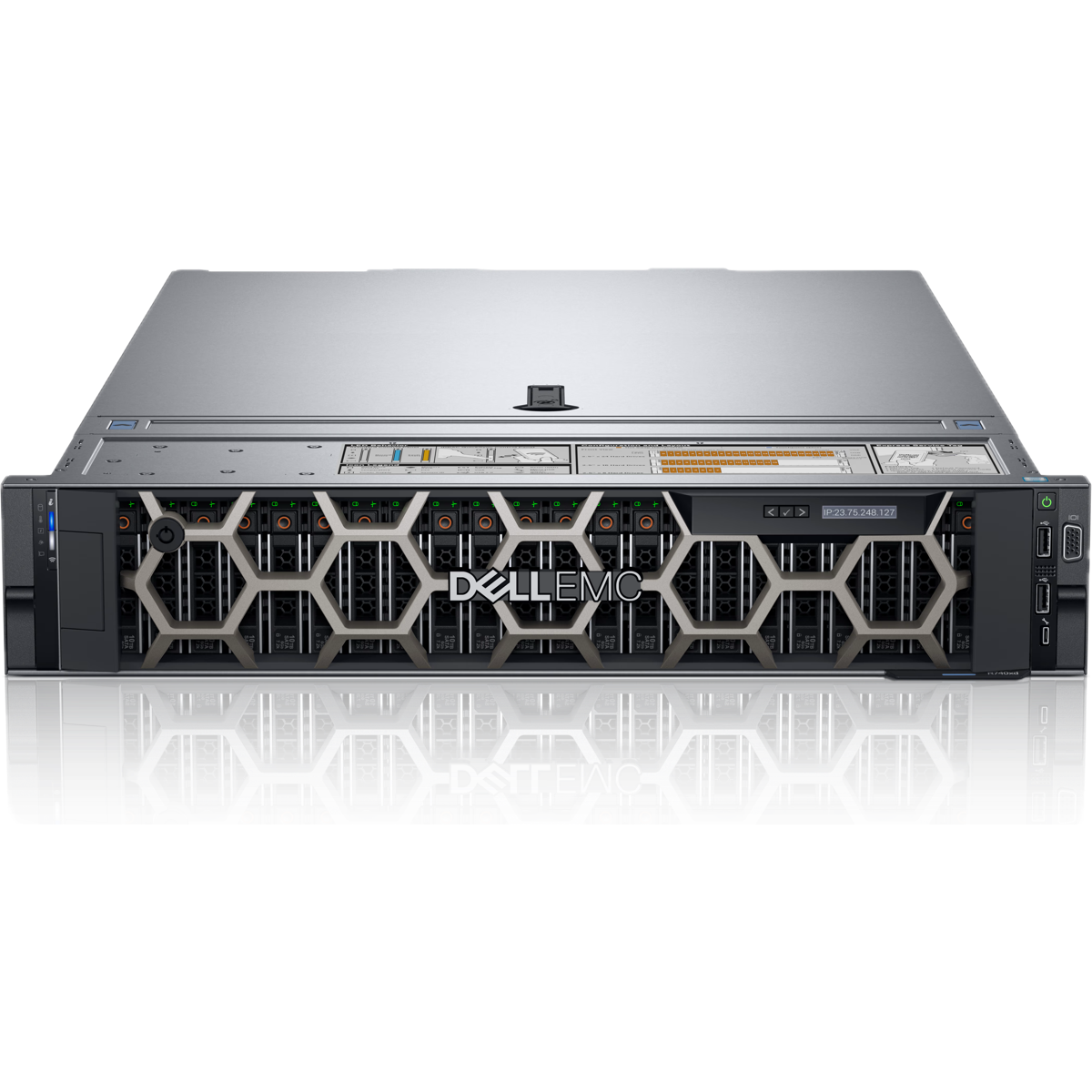
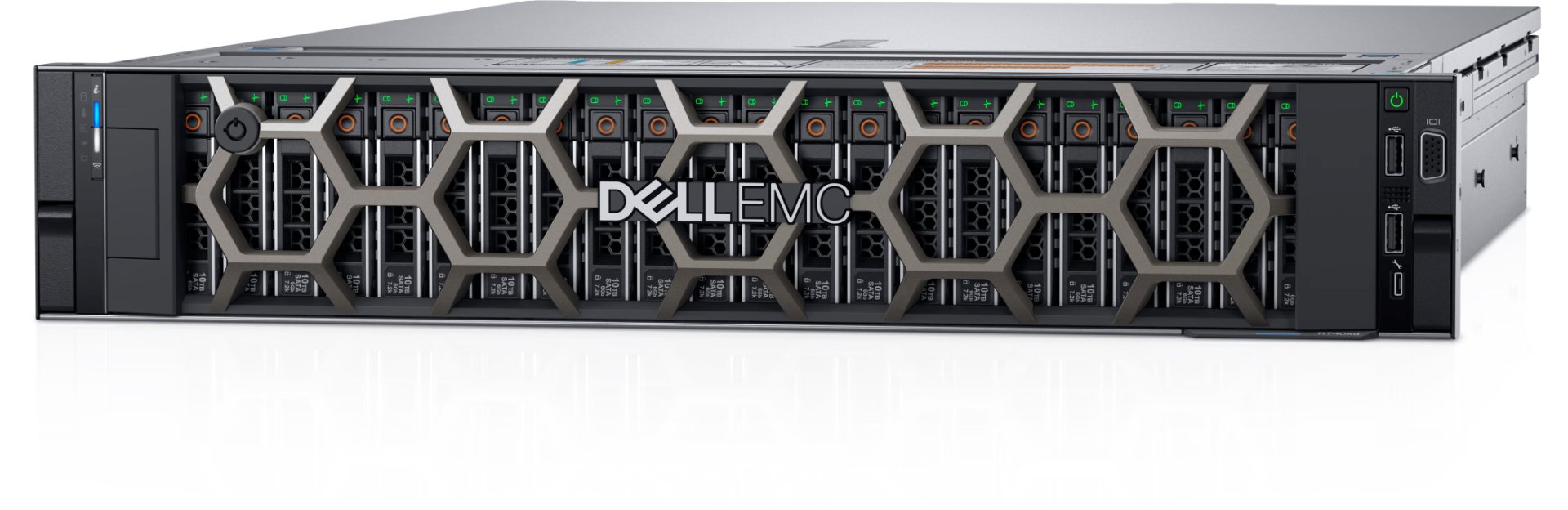
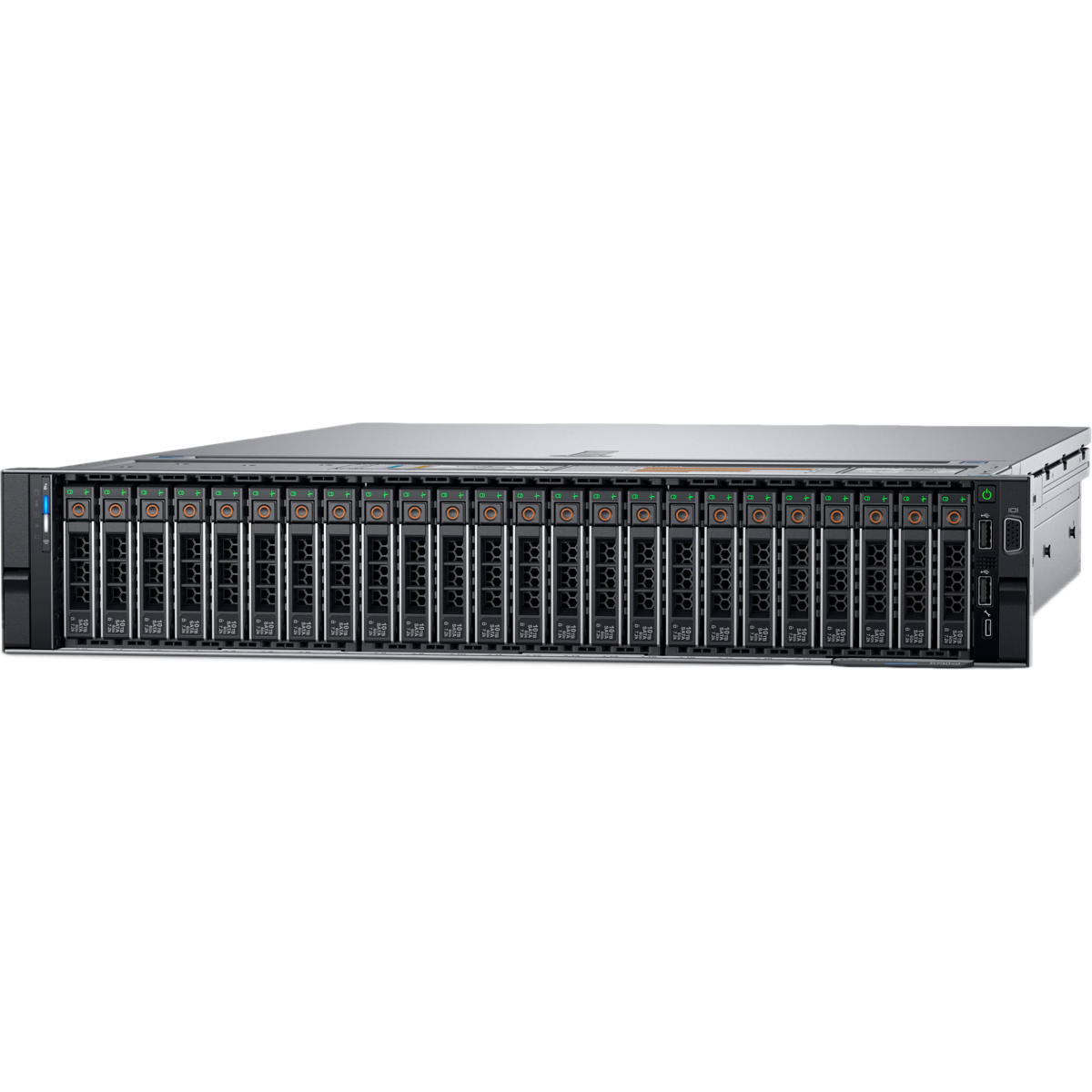
The refurbished Dell PowerEdge R740 is a 2U rack server from Dell's 14G PowerEdge range, with two Intel Xeon Scalable processor sockets and the chassis space to match. It suits virtualisation hosts, databases and storage-heavy roles where a 1U server runs out of room.
It is a mature platform with established firmware and driver support, and iDRAC remote management for out-of-band control.
Choose your processors, memory, drives, RAID controller and networking in the configurator, and we build it to order.
All hard drives are tested to 100% health · All SSDs are tested to 90-100% health
Normally available from . These chassis are out of stock at the moment:
No matches found.
Share or save this configuration
No components selected yet.
Required options not yet complete
Contact Us About StockAbout the Dell PowerEdge R740
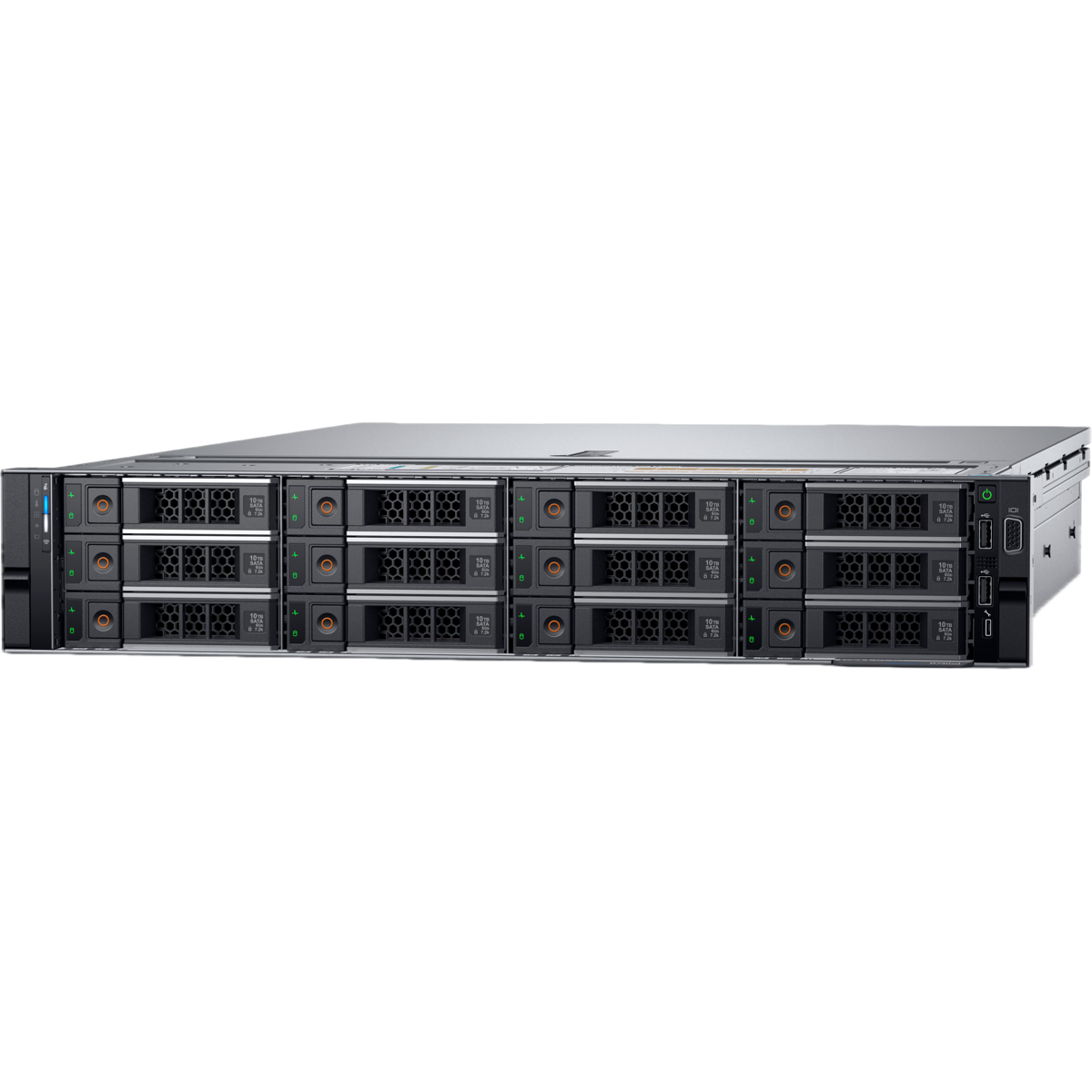
The Dell PowerEdge R740 is a 2U, dual-socket server from Dell's 14th generation, supporting Intel Xeon Scalable processors and registered ECC DDR4 memory. The 2U chassis leaves more room for drives and expansion cards than the 1U PowerEdge R640, and it is available with SFF or LFF drive layouts. Its 14G siblings include the 1U R440 and the R540.
It is a sound choice when you need balance: enough cores and memory for virtualisation, enough bays for local storage, and iDRAC for remote management. For hypervisor choices and sizing, see our virtualisation buying guide. Moving up a generation means the PowerEdge R750, while the PowerEdge R730 is the previous generation.
Every R740 here is built to order. In the configurator you can set:
- Processors from the Intel Xeon Scalable range
- Registered ECC DDR4 memory
- SFF or LFF chassis with SAS, SATA or SSD drives
- RAID controller and network card options
If you are weighing up refurbished against new, read the practical case for refurbished servers, or see how the process works on the server configurator page.
Typical Use Cases
- Virtualisation hosts running VMware ESXi, Microsoft Hyper-V or Proxmox
- Database servers for SQL Server, MySQL or PostgreSQL where local drive bays hold data and logs
- Software-defined storage nodes running Ceph or ZFS with disks presented directly to the OS
- Backup repositories and disaster recovery targets with large-capacity LFF drives
- Business application and file servers consolidating older physical machines
- Branch office or colocation servers managed remotely through iDRAC
- Test, development and staging environments that mirror a production 14G estate
Frequently Asked Questions
- How many CPUs does the PowerEdge R740 support?
- Up to two Intel Xeon Scalable processors. The configurator lists the processor options for your build, from Bronze through to Platinum tiers, and you can also order a single-processor configuration.
- How much memory and storage can I fit?
- Memory is registered ECC DDR4, and storage depends on the chassis you choose. SFF layouts suit more, smaller 2.5in drives, while LFF layouts suit fewer, larger 3.5in drives. Capacities for your chosen configuration are shown in the configurator.
- Is the R740 suitable for virtualisation?
- Yes. Dual Intel Xeon Scalable sockets, large memory capacity and local storage make it a common choice for hosts running VMware ESXi, Microsoft Hyper-V or Proxmox. Memory is usually the limiting factor, so spend on RAM before chasing clock speed.
- Which RAID options are available?
- Hardware RAID controller options are available in the configurator for RAID 1, 5, 6 and 10 style setups. If you plan to run Ceph, ZFS or another software-defined storage platform, choose the controller with direct disk access in mind.
- What warranty does a configured R740 have?
- Configured servers come with a 3 year warranty. It is a return to base warranty, not on-site support.
- What does refurbishment involve, and how does configuring to order work?
- Each server is inspected, tested and data-wiped before it is prepared for you. You choose your CPUs, memory, drives, RAID controller and networking in the configurator, and we build the server to that specification. We aim to ship configured servers within 2 business days.
Key Specifications
| Processor | |
|---|---|
| No of Processors | Up to two |
| Processor Family | 2nd Generation Intel Xeon Scalable |
| Cores Per Processor | Up to 28 |
| Memory | |
| RAM Type | DDR4 RDIMM/LRDIMM |
| RAM Slots | 24 DDR4 DIMM slots |
| Memory Speed | Up to 2933MT/s |
| Maximum Memory | 3TB |
| Memory Type | Registered ECC DDR4 DIMMs |
| NVDIMM | Up to 12 NVDIMM, 192 GB Max |
| Intel Optane DC Persistent Memory | Up to 12, 6.14TB max (7.68TB max with PMem + LRDIMM) |
| Storage Controllers | |
| Internal controllers | PERC H330, H730P, H740P, HBA330, H750, HBA350i |
| External Controller | H840, HBA355e, 12 Gbps SAS HBA |
| Software RAID Controller | S140 |
| Boot Storage Option | BOSS HWRAID 2 x M.2 SSDs 240GB, 480GB |
| SD Module | Internal Dual SD Module |
| Storage | |
| Drive Bays 2.5 inch | Up to 16 x 2.5" SAS/SATA (HDD/SSD) max 122.88TB |
| Drive Bays 3.5 inch | Up to 8 x 3.5" SAS/SATA HDD max 128TB |
| Power | |
| Power Supply Options | Titanium 750W, Platinum 495W, 750W, 750W 240VDC, 1100W, 1100W 380VDC, 1600W, 2000W and 2400W, Gold 1100W -48VDC |
| Chassis | |
| Form Factor | Rack (2U) |
| Chassis Width | 434.0mm (17.08") |
| Chassis Depth (2.5 inch HDD) | 737.5mm (29.03") |
| Chassis Weight | 28.6kg (63lbs.) |
| Expansion Slots | |
| PCIe Configuration | Up to 8 PCIe Gen 3 slots, maximum of 4 x 16 slots |
| Networking | |
| Network Interface | 4 x 1GbE or 2 x 10GbE + 2 x 1GbE or 4 x 10GbE or 2 x 25GbE |
| I/O Ports | |
| Front USB Ports | 2 x USB 2.0, 1 x USB 3.0 (optional) |
| Rear Ports | 1 x Serial, 2 x USB 3.0 |
| Front Ports | 1 x Dedicated iDRAC Direct Micro-USB, 1 x VGA |
| Rear Network Port | 1 x Dedicated iDRAC network port |
| Management | |
| Embedded Management | iDRAC9, iDRAC Direct, iDRAC RESTful with Redfish, Quick Sync 2 wireless module (optional) |
| Security | |
| TPM | TPM 1.2/2.0, TCM 2.0 optional |
| Security Features | Cryptographically signed firmware, Secure Boot, System Lockdown (requires iDRAC Enterprise or Datacenter), Secure erase, Silicon Root of Trust |