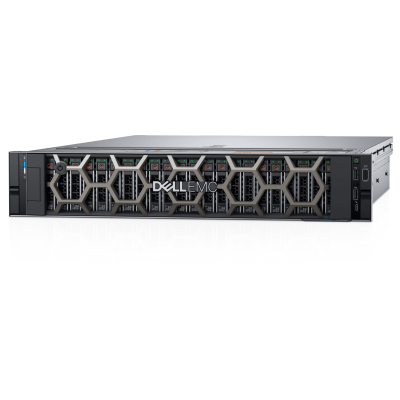
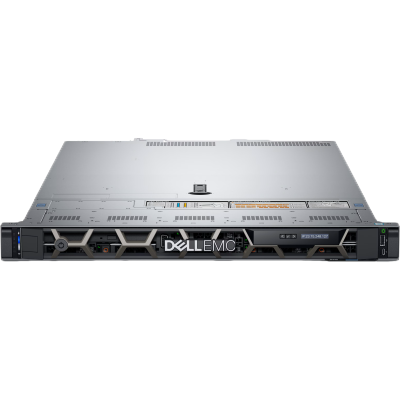
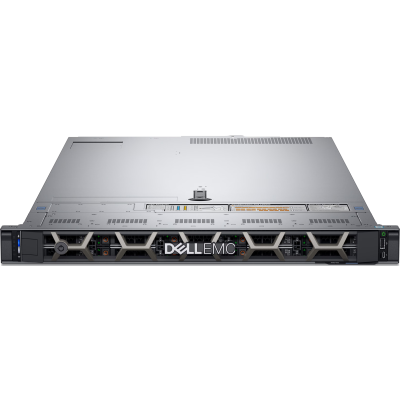
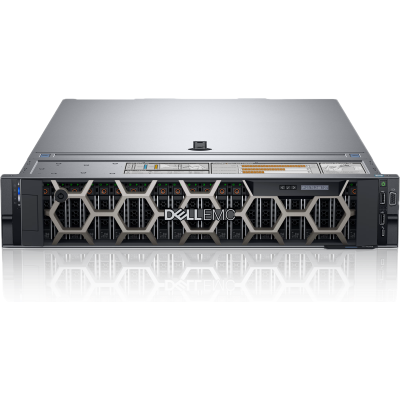
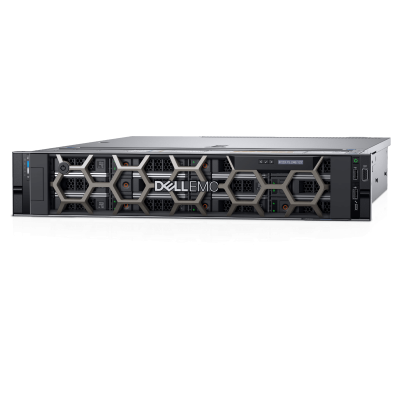
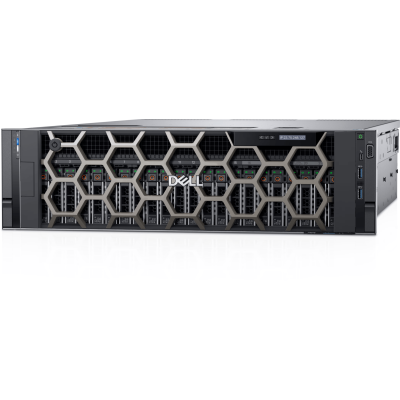
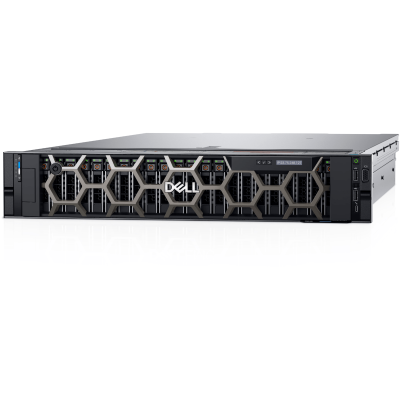
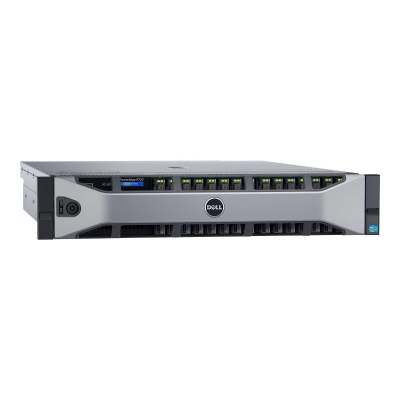
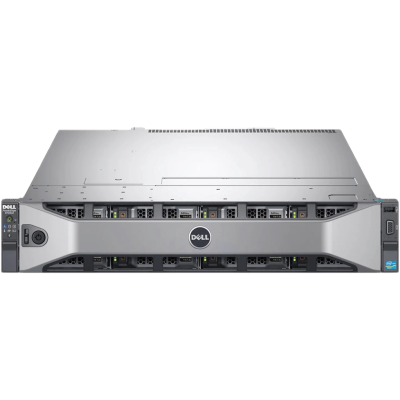
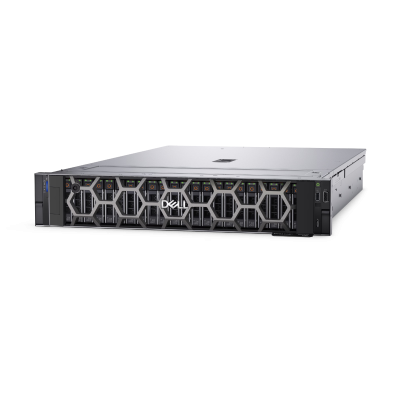
PowerEdge is the most widely deployed x86 server family in the UK, which is exactly why it makes such good sense on the second-hand market: spares are plentiful, firmware and driver support is mature, and iDRAC gives you the same remote console experience whether the machine is a 13th-generation R730 or a 15th-generation R750. The notes below are here to help you pick the right chassis rather than the highest spec sheet.
At a glance
Typical deployments
Virtualisation hosts
Memory capacity is the constraint long before clock speed is. A dual-socket R640 or R740 with all 24 DIMM slots reachable lets you push RAM per host without adding another hypervisor licence. Aim for more cores at moderate frequency, and keep two identical hosts rather than one large one if you want live migration.
SQL and database servers
Per-core licensing flips the maths: fewer, faster cores usually cost less to run legally than a dense many-core part. Pair a high-frequency CPU with plenty of memory for the buffer pool and put logs on separate low-latency devices. NVMe-capable bays are worth paying for here.
Storage, backup and media
The R740xd and LFF 2U chassis are the natural choice — 12 large-form-factor or up to 24 small-form-factor bays, with the controller in HBA mode if you're running a software-defined pool. CPU demands are modest; spend the budget on spindles, cache and a second network path.
Branch office and small business
A T440 tower or an R340 does the job for file, print, directory and line-of-business apps without a comms room. Towers are quieter and need no rails; the 1U single-socket models suit a shallow wall-mounted cabinet. Redundant PSUs still matter if there's nobody on site to swap parts.
VDI and scale-up applications
Sessions consume memory and I/O in bursts. Four-socket R840 hardware concentrates a large memory footprint into 2U, while 2U R740 and R750 chassis give you the riser space and power headroom for GPUs or additional NICs when accelerated desktops are on the roadmap.
Labs, dev and test
Older 13th-generation R630 and R730 servers are the cheapest honest way to get real iDRAC, real RAID and real redundant power on a bench. Ideal for cluster rehearsals, upgrade testing and training environments where production support isn't the point.
Why buy from Compuwyze
- Every PowerEdge is tested in the UK before dispatch and supplied with a 12-month warranty.
- Next-day delivery available on stocked configurations.
- Breadth across generations — 13th, 14th and 15th generation rack and tower models side by side, so you can match an existing estate rather than mix platforms.
- Built to order: CPU, memory, drive, controller and network options specified before the server leaves us.
- iDRAC configured and firmware checked, so the machine is reachable the moment it's racked.
- Straight answers from people who work with this hardware daily — tell us the workload and we'll tell you which chassis fits it.
Frequently asked questions
What does refurbished mean on these servers?
Genuine Dell enterprise hardware that has been stripped down, cleaned, rebuilt to the specification listed, and functionally tested before it ships. Firmware is checked and iDRAC is verified as working. Cosmetic marks consistent with rack use are normal; anything that affects function does not leave the building.
Are these suitable for production use?
Yes — this is the same hardware that ran in data centres, with the same redundant power supplies, hot-plug drives and ECC memory. It is backed by a 12-month warranty. As with any single server, production resilience comes from your design: back up, and where uptime is critical, run two hosts rather than one.
What's included with the server?
The chassis as configured — CPUs, memory, drive caddies and the RAID or HBA controller listed against the product, plus power supplies. Rails, bezels, additional caddies and network cards vary by listing, so check the specification or ask us before ordering if a particular accessory is essential.
Can I upgrade the server later?
PowerEdge platforms are designed for it. Memory can be added within the generation's supported DIMM types, drives fit the installed backplane, and PCIe risers take additional NICs or controllers. Second CPUs and processor swaps must stay within the same socket and generation family — tell us the model and we'll confirm what the platform accepts.
Which is better for me, rack or tower?
If you have a cabinet, rack — 1U for compute-light roles, 2U where you need drive bays, expansion slots or GPUs. If the server lives in an office or cupboard, a tower such as the T440 is quieter, needs no rails and takes standard LFF disks.
Can you build a specific configuration?
We can. Send the core requirement — usable memory, core count, capacity and licensing model — and we'll propose a chassis and specification rather than simply matching the numbers you've been quoted elsewhere.